Moon Phase Today Turkey

Moon Phase Today Turkey: Last Quarter

On Sunday 4 October 2026, the moon phase today in Turkey is a Last Quarter, with 46% illumination. Next full moon: 26 Oct.

N
S
00:00 23:59
12:00

Times shown for Istanbul (Turkey Time, UTC+3). Turkey uses one time zone all year, so they apply nationwide.

💡
Illumination
46%
🌙
Moon Age
22.6d
Full Moon phase diagram
Next Full Moon
26 Oct
New Moon phase diagram
Next New Moon
10 Oct

Explore Turkish Cities

Moon phase, moonrise/moonset, and local viewing details for cities across Turkey.

No matching city yet — more cities are being added.

More cities added regularly.

Turkey Moon Phase FAQ
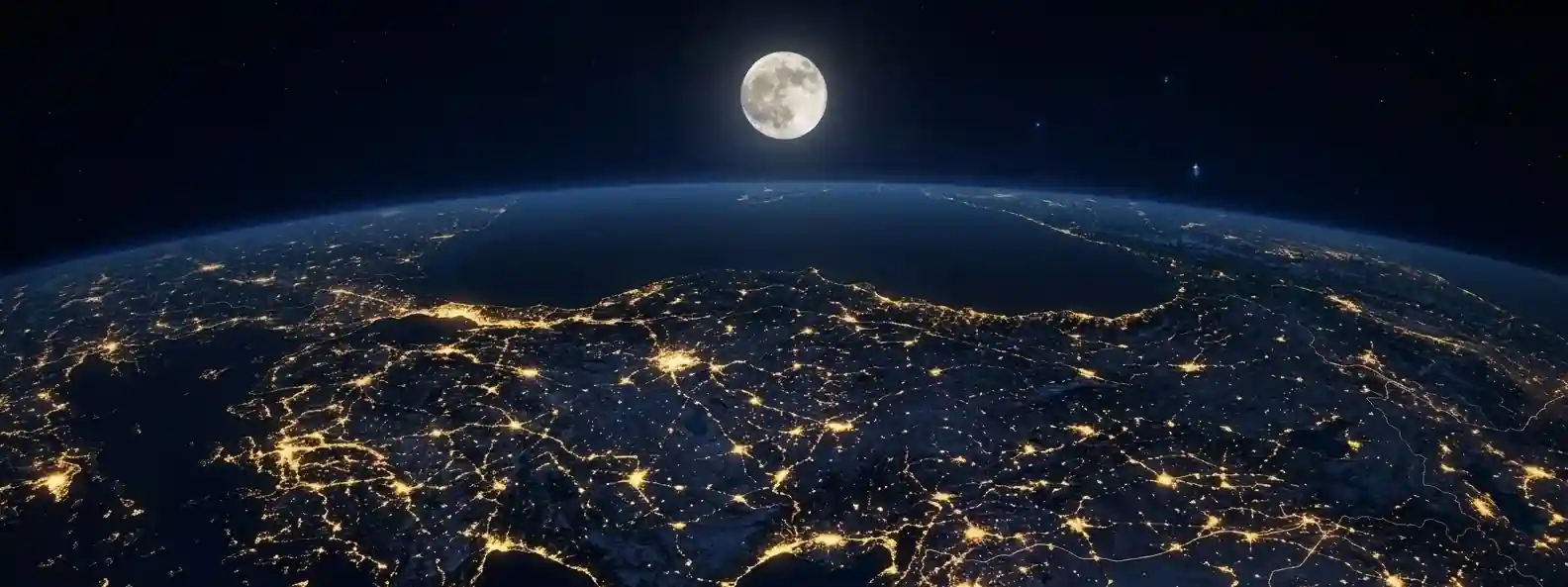
On Sunday 4 October 2026, the moon phase today in Turkey is a Last Quarter, with 46% illumination. Next full moon: 26 Oct. The Moon is about 22.6 days into its 29.5-day cycle.
The phase itself doesn't change from place to place — everyone on the night side of Earth sees the same phase at the same moment. What shifts across Turkey is when the Moon rises and sets, and how high it climbs. The country spans about 19° of longitude, so moonrise and moonset come roughly 75 minutes earlier in solar time in the far east than in the far west. It also spans about 6° of latitude, so a full Moon near the winter solstice climbs to about 71° in the far north and 77° in the far south, while a full Moon near the summer solstice stays lower, at roughly 25° to 31°.
All times on this page use the local time of the city you search for. Turkey has a single time zone, UTC+3, which it has used all year, with no daylight saving, since September 2016, so the clocks never change. Because UTC+3 is based on the 45°E meridian and Turkey lies between about 26°E and 45°E, the Sun and Moon cross the sky later on the clock in the west than in the east: about an hour later in Istanbul, and only a few minutes later in the far east. Whichever Turkish city you choose, the times shown are already adjusted to its local clock.
A full moon happens roughly every 29.5 days — the length of the synodic month, the time it takes the Moon to cycle through all its phases as seen from Earth. That works out to about 12 or 13 full moons a year. Check the "Next Full Moon" figure on the calculator above for the exact upcoming date.
Like the Sun, the Moon rises in the east and sets in the west, but its exact rising and setting points swing widely through the month — roughly from east-north-east to east-south-east for rising and from west-north-west to west-south-west for setting — and it reaches its highest point in the southern sky. Because Turkey is in the Northern Hemisphere, a waxing (growing) Moon is lit on its right side and a waning Moon on its left. The Moon's path is the mirror of the Sun's: a full Moon rides high in winter and lower in summer.
Yes — type any Turkish town or city into the location search on the calculator at the top of this page. We're also building out dedicated pages for individual cities with local viewing spots and tips; browse what's live so far in the "Explore Turkish Cities" section above.
moon-phase-today-turkey-cities-skyline

Astronomy Watch Turkey

Also coming up

Moon Phases Explained

The Moon doesn't change shape — only the angle of sunlight across its surface does. As it orbits Earth over 29.5 days, that shifting angle produces eight distinct phases, each with its own character and its own best targets for observation.

🇹🇷

How this looks from Turkey

Turkey sits at a noticeably lower latitude than most of Europe — from the Mediterranean coast around 36°N up to the Black Sea coast near 42°N, with Istanbul at roughly 41°N. That's a similar band to the US South or the northern Mediterranean generally, meaningfully lower than the UK, Germany, or France, so the Moon's terminator appears somewhat less steep here, and the seasonal swing in how high the Moon arcs is a little less extreme than it is farther north. Use the calculator above for exact moonrise, moonset, and phase times wherever you are in Turkey.

Select a phase