magnetar-star

Magnetar Star

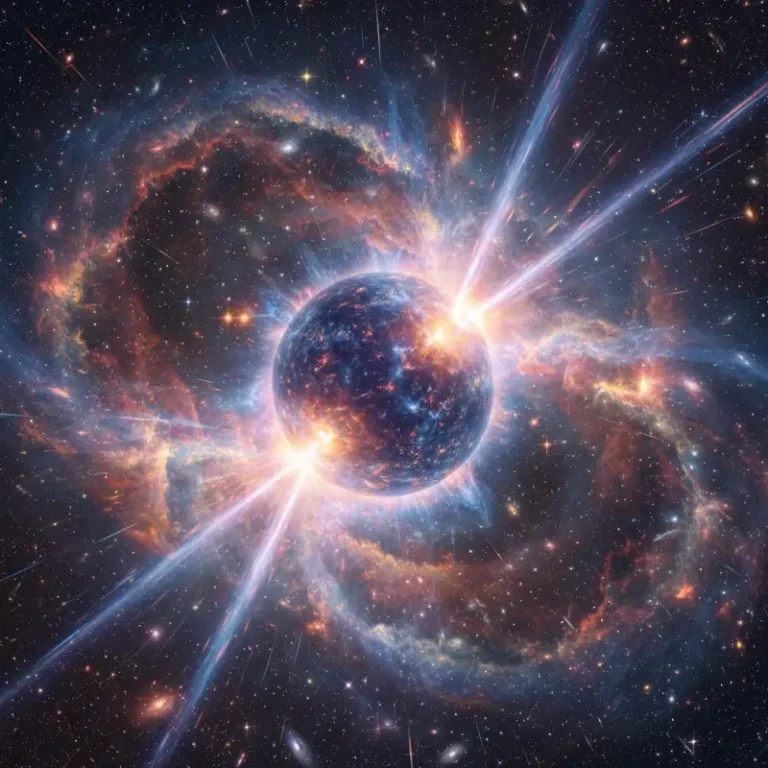
Magnetar Star: Technical Analysis of the Universe’s Most Powerful Magnetic Fields A Magnetar is an ultra-dense stellar remnant that possesses a magnetic field a quadrillion times stronger than Earth’s. Formed during the core-collapse supernova of a massive star, these city-sized…
betelgeuse-supernova

Betelgeuse Supernova

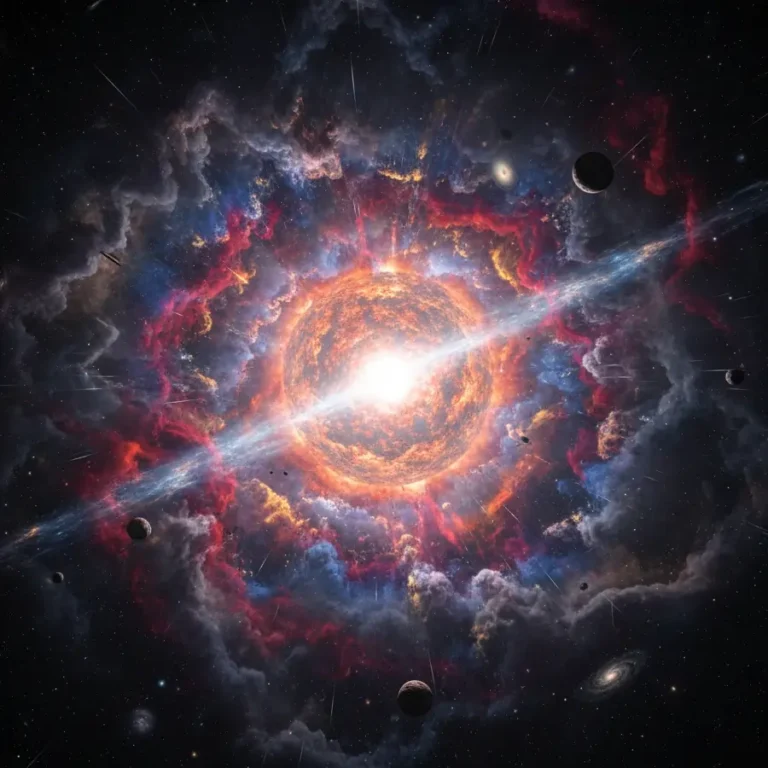
Betelgeuse Supernova: Technical Analysis of the Orion Alpha Core Collapse Located roughly 640 light-years away, Betelgeuse is a red supergiant approaching the end of its life cycle. As its internal fusion engine transitions from helium to heavier elements, the star…

does-light-have-weight

Does Light have Weight

Physics & Space Science Does Light Have Weight? Photons have no mass — yet they can push a spacecraft across the solar system, bend around a black hole, and blow a comet’s tail millions of kilometres into space. In this…

last-quarter-moon-phase-diagram

Last Quarter Moon

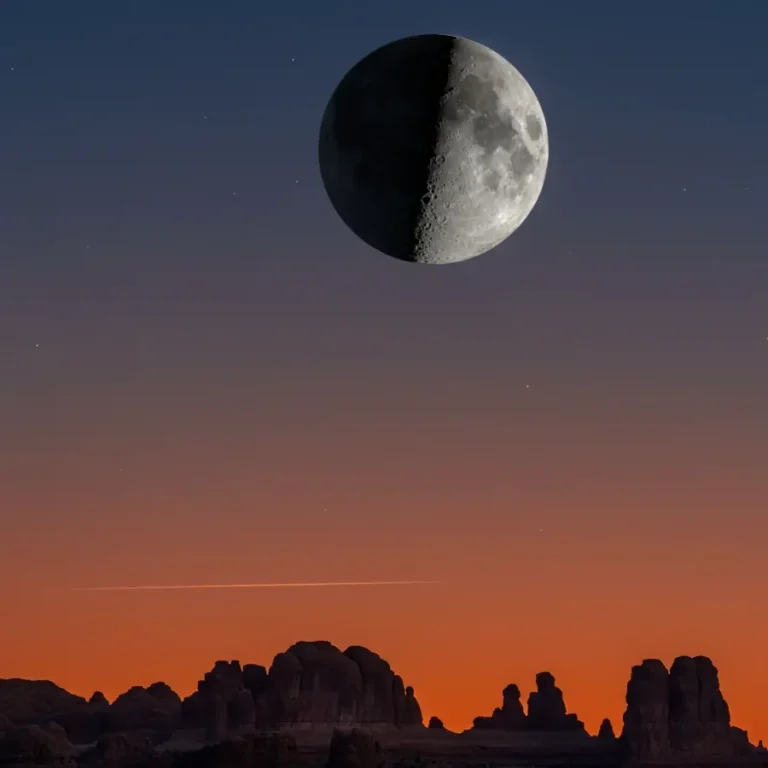
Last Quarter Moon: Technical Guide to Waning Quadrature and Morning Observation The Last Quarter moon marks the 75% point of the lunar cycle, occurring exactly one week after the Full Moon. Known technically as Waning Quadrature, this phase is a…

first-quarter-moon-in-sky

First Quarter Moon

First Quarter Moon: Technical Guide to Quadrature and High-Relief Observation The First Quarter moon occurs when the Moon has traveled exactly 90 degrees away from the Sun in our sky. Known scientifically as Quadrature, this phase is the premier window…

waxing-moon

Waxing Moon

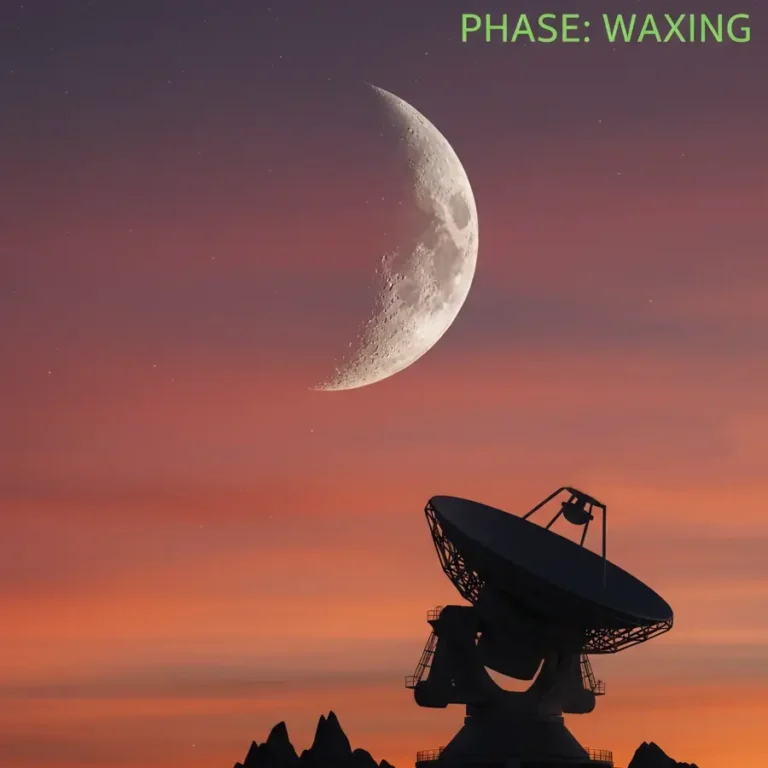
Waxing Moon: technical Guide to the Lunar Expansion and Evening Visibility The waxing moon represents the period of growth in the lunar cycle, as the sunlit portion visible from Earth expands from the New Moon toward the Full Moon. Unlike…