Category Astronomy Articles

This section covers the real, observable sky. From how the moon’s cycle works to identifying planets and constellations, these articles break down astronomy in a way that’s easy to follow and grounded in reality. No mysticism—just the mechanics of the cosmos and how to understand what you’re looking at when you step outside at night.

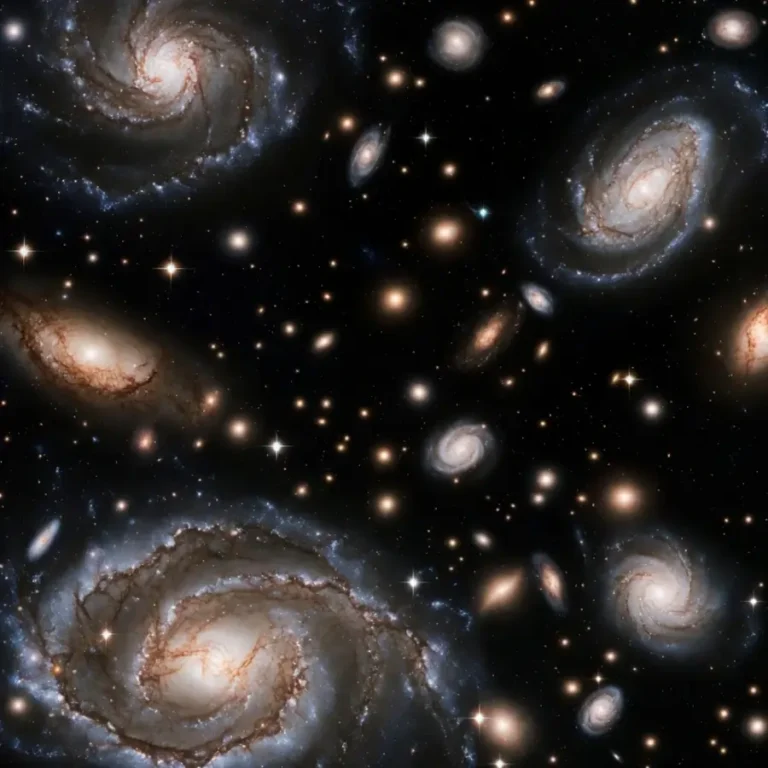
The Great Attractor

the-great-attractor

What is The Great Attractor? While the universe is expanding in all directions, our own Milky Way galaxy is being pulled off course at a staggering 1.3 million miles per hour. We are hurtling toward a mysterious gravitational “anchor” known…

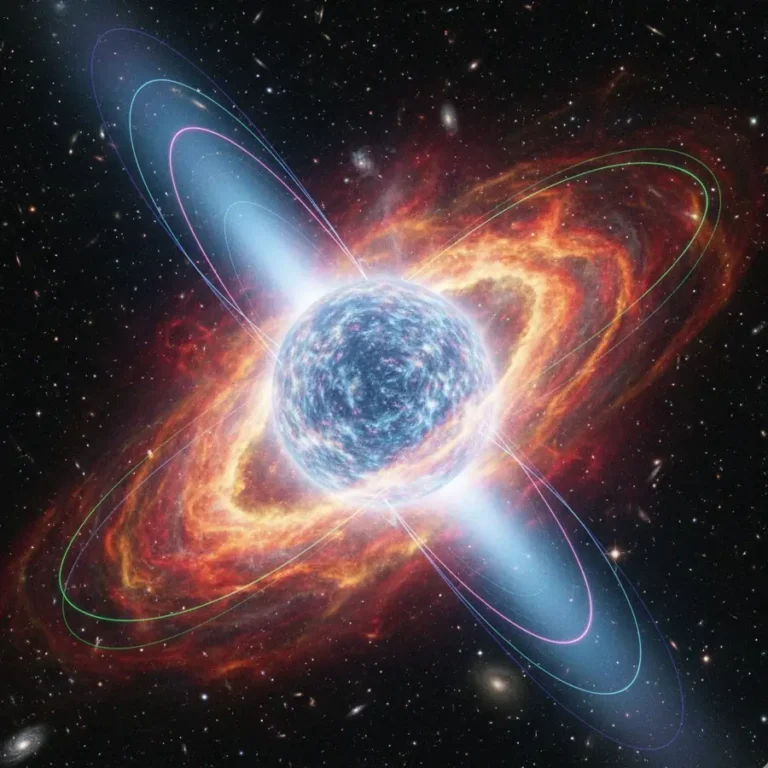
Why are Planets Round

why-are-planets-round

Why Are Planets Round? Planets are round because their Gravity pulls equally from all sides toward the center. Imagine a planet like a giant ball of soft clay; gravity acts like invisible hands, pressing in from every direction simultaneously. If…

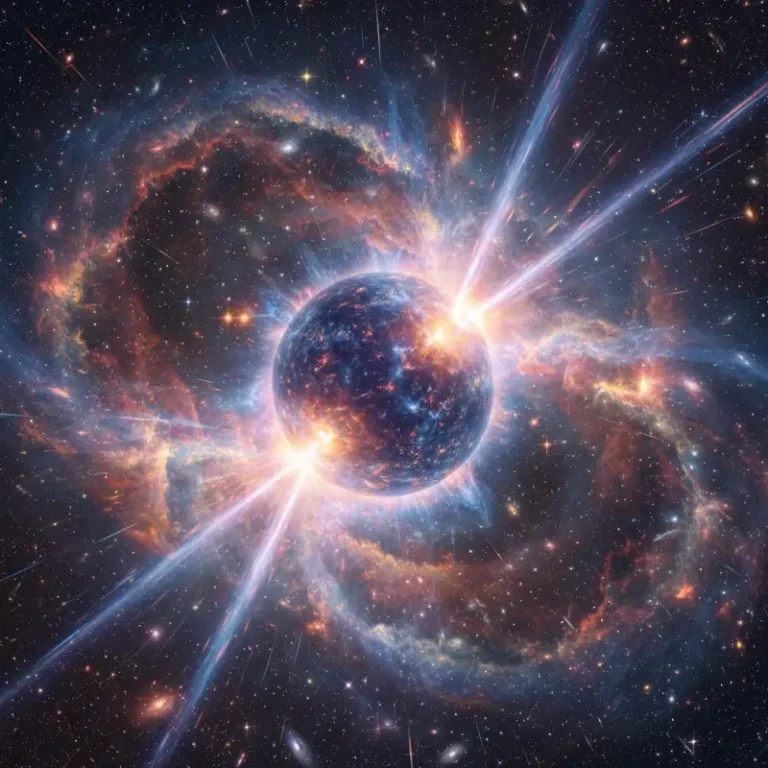
Is there Sound in Space

is-there-sound-in-space

Is There Sound In Space? The silence of space is often depicted in films, but is it scientifically accurate? The answer lies in the fundamental nature of sound waves and the vast vacuum of space. Sound requires a medium to…

How many Constellations are there

how-many-constellations-are-there

How Many Constellations Are There? There are exactly 88 official constellations recognized by the International Astronomical Union (IAU). To understand this number, you must stop thinking of constellations as simple “star drawings” and start thinking of them as territorial borders.…

Why do Stars Twinkle

why-do-stars-twinkle

Why Do Stars Twinkle? To the naked eye, the night sky is a calm, twinkling dome. To a scientist, it is an optical battlefield. The reason stars twinkle has nothing to do with the stars themselves and everything to do…

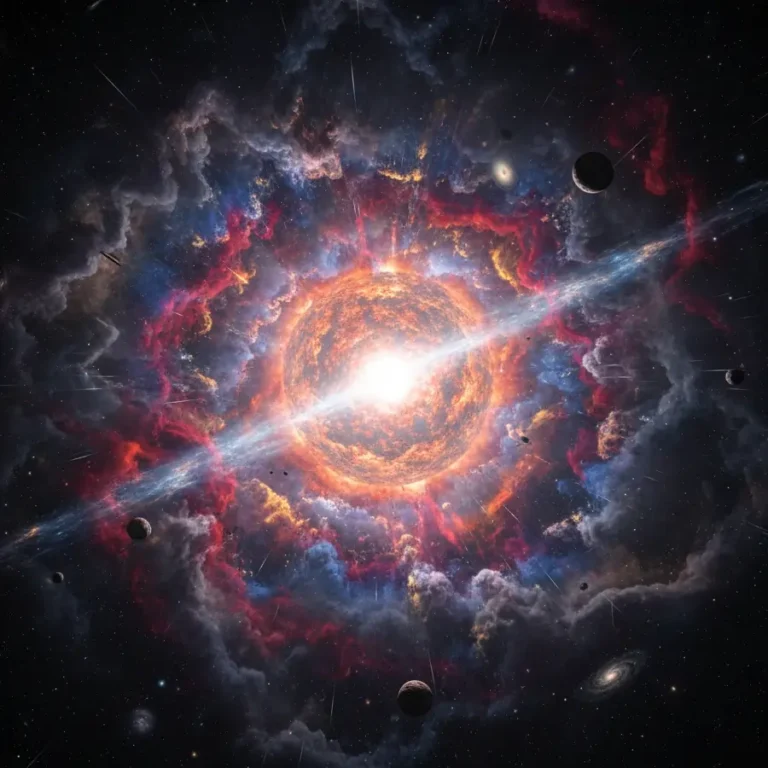
How BIG is a Black Hole

how-big-is-a-black-hole

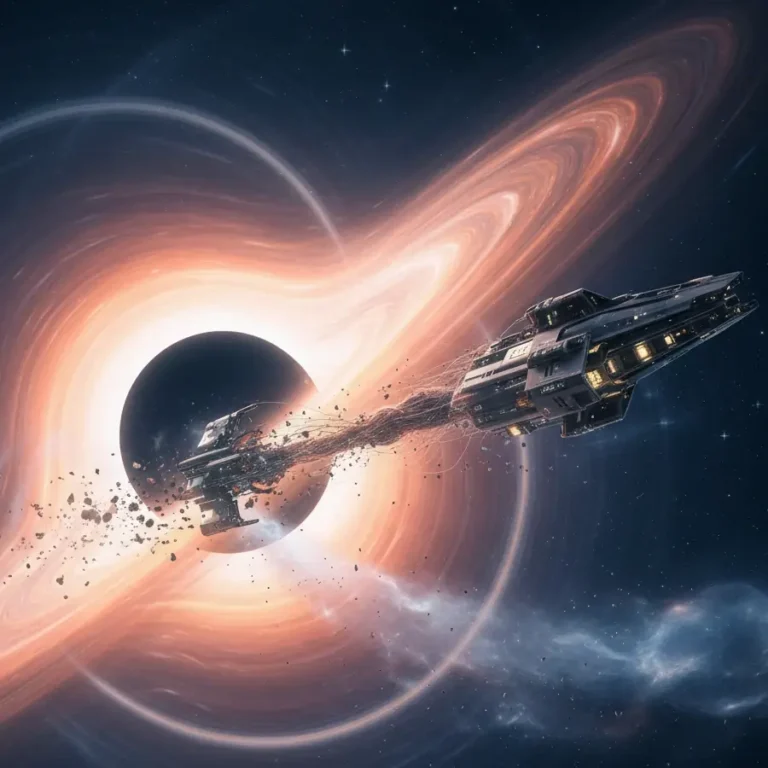
How Big is a Black Hole? The size of a black hole is a paradox of infinite density and zero volume. While the singularity at the center has no physical dimensions, the Event Horizon—the point of no return—can span billions…